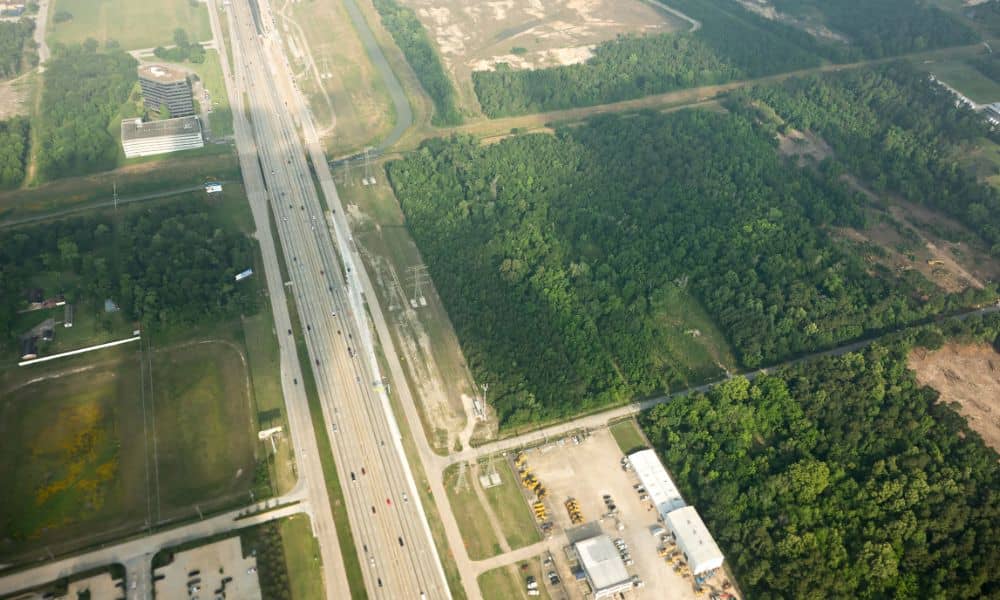
When news broke about the gravel pit ruling on Casper Mountain, many local property owners paused. The decision allowed a project to move forward even though it faced strong opposition. More importantly, it reminded buyers of a hard truth: land can be legal and still create serious problems. That is why an ALTA title survey matters more than ever for anyone buying or developing property near changing land uses.
This ruling did not change a single boundary line. Still, it changed how nearby land could be used. For buyers, that distinction matters. It shows how risk can come from outside the property lines, not just within them.
A ruling that shifted expectations, not boundaries
The case centered on a proposed gravel pit near Casper Mountain. The court ruled that state-level authority allowed the project to proceed, even though county zoning concerns remained. As a result, nearby landowners learned something unexpected: local rules did not offer the protection they assumed.
This outcome surprised many people. After all, zoning often feels like a safety net. However, this ruling showed that authority can sit above local control. Because of that, land uses can change quickly, even when neighbors believe the area is settled.
Why buyers often miss the real risk
Most buyers focus on their own parcel. They review price, zoning, and title. That approach feels logical. Yet, it leaves out a key factor: what surrounds the property.
Land use conflicts rarely start inside a boundary. Instead, they start next door. A new industrial use, a resource operation, or a state-approved project can alter traffic, noise, dust, and access. Over time, these changes affect value and usability.
Because of this, buyers who only look inward miss half the picture. The Casper Mountain ruling made that clear. Nothing changed on neighboring parcels, but everything felt different.
Clean title does not mean safe surroundings
A clean title confirms ownership. It does not promise peace of mind. Many buyers confuse the two.
Title insurance protects against ownership defects. Zoning explains current rules. Neither guarantees that nearby land will stay quiet or compatible. As a result, buyers may close with confidence and later feel blindsided.
Here is where frustration begins. Owners often ask, “Why didn’t anyone warn me?” In many cases, the clues existed. They just were not connected early enough.
Where an ALTA title survey adds real value
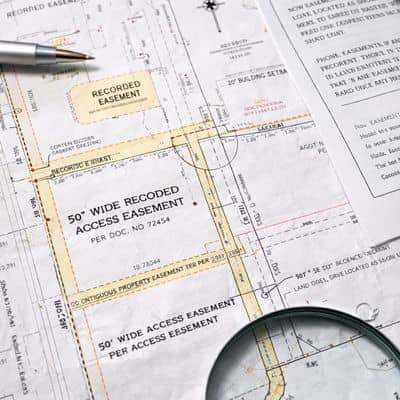
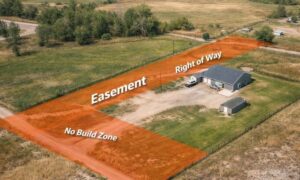
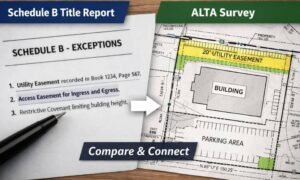
An ALTA title survey forces a wider view. Instead of stopping at the parcel boundary, it digs into how access, shared corridors, and long-standing land rights connect one property to the next, using a survey that reviews recorded land rights as part of the overall picture. This helps buyers understand how a site actually functions within its surroundings, not just where the lines appear on paper.
While it does not predict future projects, it does reveal the legal framework that makes those projects possible. That difference matters. When buyers see how recorded rights shape what can happen nearby, they ask better questions earlier and plan with fewer assumptions.
In areas like Casper Mountain, this broader context helps buyers see beyond the map. It turns surface-level confidence into informed decision-making.
A local scenario many buyers recognize
Imagine buying land near the mountain. The site looks peaceful. Zoning appears stable. Title checks out. Closing feels smooth.
Later, activity ramps up nearby. Trucks increase. Dust rises. Access patterns change. Suddenly, the property feels different. Yet, the buyer struggles to respond because the issue sits outside their boundary.
This situation feels unfair. However, it is common. The problem was not ownership. It was awareness. An ALTA title survey, reviewed early, can help reveal the relationships that shape these outcomes.
Why Wyoming heightens this risk
Wyoming has unique land conditions. Large tracts, state trust lands, and mixed authority all play a role. Many rights sit dormant for years. When they activate, change happens fast.
Because development spreads slowly, buyers often assume stability. Yet, authority structures allow shifts without local approval. The Casper Mountain ruling highlighted this reality.
For buyers, this means diligence must extend outward. Understanding surrounding land rights matters as much as confirming boundaries.
Lessons from the Casper Mountain ruling
This ruling did not create new risk. It exposed existing risk. Authority lines existed long before the case. Buyers simply did not feel them until action followed.
That is the key lesson. Risk often hides in plain sight. It lives in documents, not dirt. When buyers wait until after closing, options shrink.
By contrast, early visibility changes the conversation. It allows buyers to weigh tradeoffs before commitment. That is where smart decisions begin.
Seeing the whole picture before you buy
In today’s market, land does not exist in isolation. Projects rise. Uses shift. Authority overlaps. Buyers who rely on assumptions face the greatest surprises.
An ALTA title survey does not stop development. It does not pick sides. Instead, it provides clarity. It shows how parcels connect, how access works, and how rights overlap.
For buyers near evolving areas like Casper Mountain, that clarity matters. It turns unknowns into knowns. It replaces shock with strategy.
Final thoughts
The gravel pit ruling on Casper Mountain sent a clear signal. Legal approval does not equal comfort. Clean title does not equal certainty. Surroundings matter.
As land use continues to evolve, buyers must look beyond their lines. They must understand the framework that shapes future change. An ALTA title survey helps bridge that gap.
In the end, the costliest risks are not hidden underground. They sit next door, waiting to be noticed.