
You review a property before buying. Everything looks fine. Then you notice an easement in the title. So you plan around it. Later, something feels off. You hear that the easement may not even apply anymore. Now you’re stuck. The layout you planned might be wrong. Or worse, you held back space you could have used. This happens more than people expect. An alta land title survey helps sort this out, but first, you need to understand why this problem shows up at all.
Why Recorded Easements Don’t Always Match What Exists Today
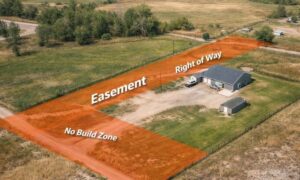
Land changes over time. Cities approve new layouts. Utilities move. Roads shift. So the original easement on record may not match what’s there now.
The issue is not that the records are wrong. The issue is that they are spread out.
One document shows the original easement. Another shows a change. They don’t always connect in a clear way. So when you read one record on its own, you only see part of the story.
That gap is where mistakes happen.
What It Means When an Easement Is Vacated or Modified
Some easements get removed. That is called a vacation. Once that happens, the easement no longer affects the property.
Other easements stay in place but change. The width might shrink. The location might shift. In some cases, the purpose changes.
A wide utility strip could become narrower. An access path could move to a different side of the lot. These updates are valid, but they are not always obvious unless you look deeper.
Why These Changes Are Easy to Miss
Most people check the title and stop there. It feels complete, so they move on.
But the title only shows part of the picture. It lists easements, yet it doesn’t always show what happened after they were first recorded. An easement can still appear there even if it was changed years later.
At the same time, those updates don’t sit in one place. Some show up in a replat. Others sit in city files or separate recordings. So the information ends up scattered.
That’s why things don’t always line up when you review them. And unless you understand how an ALTA land title survey confirms easement changes, it’s easy to rely on records that no longer match what’s actually in place today.
Where Easement Changes Are Usually Hidden
A lot of updates show up during redevelopment. When a property gets divided or redesigned, a new plat often replaces the old layout. That new plat may adjust or remove easements.
Some changes go through a formal process. When an easement gets removed, it is recorded as a separate document. That file may not appear unless you search using the legal description.
In other cases, new development replaces old easements with new ones. That leaves older records in place, even though they no longer control how the property is used.
City approvals can also play a role. A project may shift an easement during design, and that change gets approved, but not always in a way that stands out during a basic review.
How an ALTA Land Title Survey Brings Clarity

This is where an alta land title survey makes a real difference.
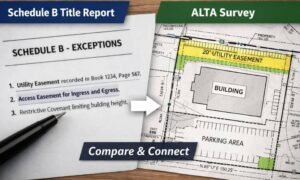
Instead of looking at one document at a time, the survey pulls everything together. It compares recorded information with what actually exists on the site.
A surveyor reviews the records, studies the plats, and checks physical features on the ground. Then everything gets mapped in one place.
If something does not match, it becomes clear right away.
That gives you a working view of the property based on current conditions, not just past records.
How This Affects Real Projects
Picture a buyer planning a building on a commercial lot.
The title shows a wide easement, so the design leaves a large portion of the site unused. Later, a deeper review shows that the easement was reduced years ago.
That unused space could have been part of the plan from the start.
On the other side, a buyer might ignore an easement that still applies. That can lead to problems during permits or construction.
Both cases come from the same issue. The information was there, but it was not complete.
Signs That an Easement May Not Be Current
Some patterns show up again and again.
Older references are a common one. If an easement points to a document from decades ago, there is a good chance something changed since then.
Properties that went through subdivision or redevelopment also deserve a closer look. Those changes often come with updated layouts.
You might also notice a mismatch between what is written and what you see on the ground. If an easement exists on paper but nothing supports it on-site, that raises a question.
These small signals often lead to bigger findings.
Why Timing Matters
This step works best early.
If you verify easements before buying or before final design, you avoid rework later. Once plans are set, changes become harder to fix.
That is why this check matters most during due diligence. It gives you a clear picture before decisions get locked in.
What This Means for Your Next Property
A recorded easement is a starting point, not the final answer.
Land records build over time. Each change adds a layer. If you only look at one layer, you miss the full picture.
An alta land title survey helps bring those layers together. It shows what still applies, what changed, and what actually affects the property today.
That clarity helps you plan with confidence instead of guessing based on old information.