In Casper, Wyoming, the answer depends on several things, including property size, title requirements, site conditions, and any extra items requested for the survey. No two commercial properties are exactly alike, which is why ALTA survey pricing can vary from one project to another.
Many property buyers want a simple price before moving forward. That makes sense. Still, an ALTA Land Title Survey is not a one-size-fits-all service. The work involved can change based on the property and the level of detail needed. Understanding the factors behind pricing can help you avoid surprises and plan your project better.
How Much Does an ALTA Survey Cost?
An ALTA survey cost depends on the property’s size, condition, title requirements, and selected Table A items. Commercial properties with access issues, utilities, easements, or complex boundaries often require more work than smaller and simpler sites.
A surveyor cannot usually give an exact price after hearing only the property address. They often need to review records and project details first.
For example, two properties may both be ten acres. One could be an open parcel with few issues. Another could include multiple buildings, utility lines, access roads, and recorded easements. Even though the size is the same, the amount of work is very different.
What Factors Affect ALTA Survey Pricing?
Several key details influence the final cost of an ALTA survey.
Property Size and Acreage
Larger properties usually take more time to survey. More land often means more field work, more measurements, and more drafting time.
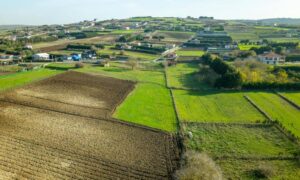
A large parcel near Casper may also include uneven terrain or open rural land. This can increase survey time.
Boundary Complexity
Simple property lines are easier to survey than irregular boundaries.
Properties with many corners, split parcels, or old legal descriptions may need extra research. Surveyors often review historical records and compare older documents with current information.
Existing Improvements
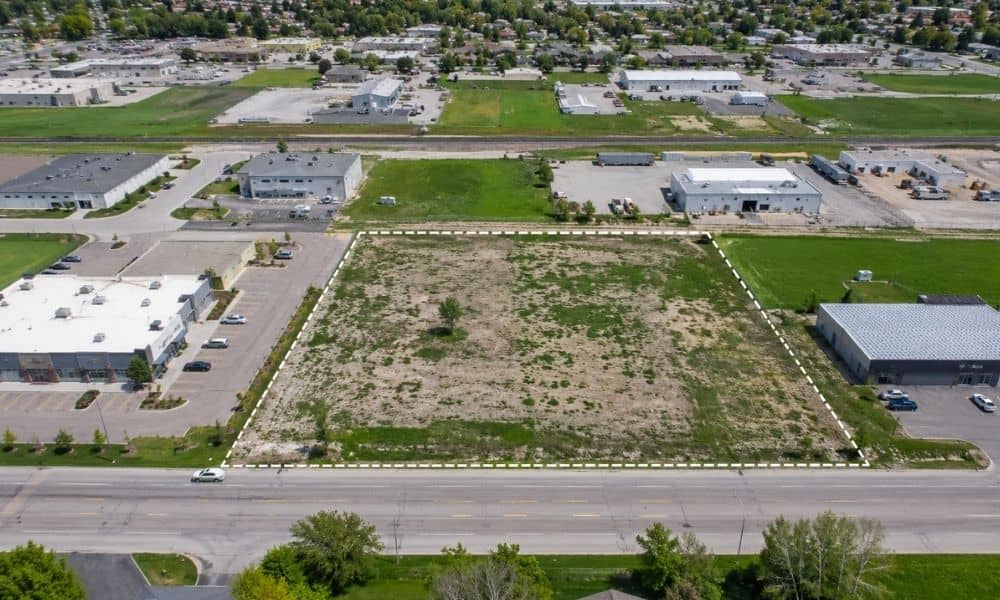
Buildings, fences, parking lots, utility structures, and roadways all need to be mapped and verified.
Commercial properties with many improvements require more field observations. The survey team has to document features that could affect ownership or land use.
Easements and Access Issues
Easements are one of the most important parts of an ALTA survey.
Utility easements, access rights, and recorded agreements can affect how land can be used. Reviewing and plotting these items takes additional time.
This is especially important in commercial transactions where lenders and title companies want a complete picture of the property.
Utility Research
Some properties require underground utility information or utility records review.
Surveyors may need to gather information from utility providers or compare records against visible site conditions.
Missing or incomplete utility data can create additional work.
Rush Turnaround Requests
Fast deadlines can affect cost.
If a project needs completion within a short time, crews may need schedule changes or additional resources. Rush requests often increase the final price.
Why Are ALTA Surveys More Expensive Than Boundary Surveys?
People sometimes compare ALTA surveys with standard boundary surveys and wonder why pricing differs.
The answer is simple. An ALTA survey includes much more work.
Boundary surveys mainly focus on identifying property lines. An ALTA Land Title Survey goes further. It combines field work with title research and follows national standards.
Surveyors review title commitments, identify easements, verify access, locate improvements, and prepare documents that lenders and title companies rely on.
That added scope creates more work and more responsibility.
How Do Table A Items Affect Cost?
Table A items are optional items that clients, lenders, or title companies can request.
Some projects need only standard requirements. Others require many extra items.
Examples include:
- Utility information
- Parking space counts
- Flood zone details
- Building heights
- Monument placement
- Zoning reports
Each added request increases research and field time.
Before work starts, it helps to confirm which Table A items are actually needed. Selecting unnecessary items can increase costs without adding value.
What Should Buyers Provide Before Requesting a Quote?
Surveyors can provide better pricing when they receive complete information early.
Helpful items include:
- Property address
- Legal description
- Title commitment
- Previous survey, if available
- Table A requirements
- Project deadline
- Lender instructions
Providing these records early can speed up the quote process.
Incomplete information often creates delays and may lead to revised pricing later.
How Can You Avoid Surprise ALTA Survey Costs?
The best way to avoid unexpected costs is to plan ahead.
Order the survey early in the transaction process. Waiting until the last minute creates pressure and may increase costs.
Review lender requirements before work starts. Confirm Table A items and provide existing documents.
Also, share previous surveys if available. Older records sometimes help reduce research time.
Many buyers focus only on price at the beginning. The better approach is understanding scope. A lower quote may not always include the same services as another proposal.